Rothbury Top Bathroom Remodeling Contractor for Functional Bathroom Spaces
Bathroom Upgrades: Transform Your Area Using Sleek Layouts
Bathroom remodeling offer a remarkable opportunity to strengthen both functionality and aesthetics in a personal area. By embracing modern design options, homeowners can create atmospheres that are both tranquil and efficient. Key trends, materials, and advanced technology play essential parts in this metamorphosis. As the potential for innovation unfolds, assessments regarding financial planning and preservation become essential. What choices will most upgrade your shower experience?
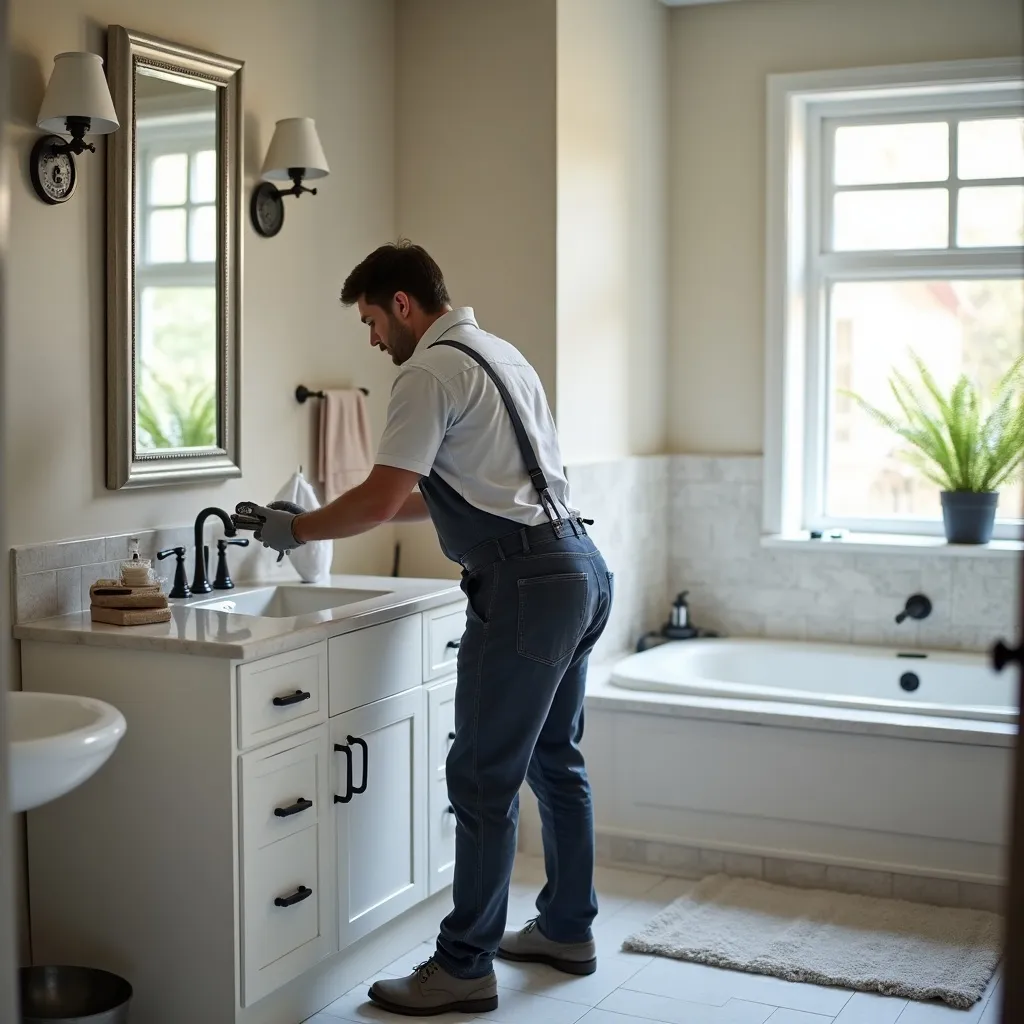
What popular bath looks will refresh your room?
How can modern architecture elevate a bathroom's functionality and aesthetic appeal? Modern bathroom trends focus on clean designs, minimalist aesthetics, and innovative materials that redefine space. Features such as wall-mounted sinks produce an sense of spaciousness, while large-format tiles minimize grout lines, enhancing design consistency.
Modern technology, including touchless faucets and smart mirrors, offers convenience and efficiency, catering to contemporary lifestyles. Natural elements, like wood accents and stone textures, promote a serene environment, blending the indoor and outdoor. Additionally, bold color palettes and unique fixtures, including statement lighting or freestanding tubs, function as focal points that reshape the overall ambiance.
Sustainable materials and energy-efficient fixtures reveal an mounting concern of ecological effects, ensuring that modern bathrooms are not only stylish but also responsible. Implementing these trends can greatly elevate both the functionality and visual appeal of any bathroom space.
Core Components for a Functional Bathroom
A well-designed bathroom blends critical components that strengthen both efficiency and convenience. Key elements feature adequate storage solutions, such as cabinets and shelves, to keep personal care products and linens properly organized. A well-placed vanity with ample counter space allows for efficient grooming, while quality lighting guarantees visual clarity and builds an welcoming atmosphere.
Also, a functional design is essential; ample room around fixtures, such as sinks, toilets, and showers, promotes ease of movement and access. A contemporary shower system, equipped with adjustable water pressure and temperature controls, provides a delightful bathing experience.
Furthermore, integrating a sturdy, anti-slip floor type strengthens safety without forfeiting style. Finally, thoughtfully designed moisture control systems help avert moisture buildup, maintaining air quality and prolonging the life of fixtures. Together, these elements construct a balanced union of style and utility, making the bathroom a soothing retreat.
Choosing Materials and Surface Treatments for Your Bathroom Renovation
Picking the right surfaces and treatments is vital for a successful bathroom remodel. Key considerations include choosing resilient materials that tolerate moisture, deciding on a harmonious color scheme, and investigating eco-friendly options that advance sustainability. Each selection impacts not only the aesthetic quality but also the lasting functionality of the space.
Selecting Durable Surfaces
Picking sturdy materials is critical for any bathroom overhaul, as these materials greatly impact both aesthetics and functionality. Property owners must consider options like porcelain or ceramic tiles, which supply excellent water resistance and resilience against damage. Organic stones including granite and quartz are popular for countertops, offering a luxurious quality while guaranteeing longevity. In terms of cabinetry, solid wood or premium laminates can tolerate moisture and constant use. Additionally, opting for finishes that are convenient to clean and care for will strengthen the overall sturdiness of the room. It's vital to blend design and efficiency, ensuring that the selected surfaces not only complement the design vision but also handle the daily demands of a bathroom environment.
Hue Palette Considerations
When renovating a bathroom, the color scheme is crucial in establishing the overall atmosphere of the space. Choosing the right colors can improve natural light, causing the room to feel larger and more welcoming. Neutral shades, such as soft whites and grays, produce a soothing atmosphere, while bolder hues like deep blues or greens can introduce a touch of drama. It is essential to reflect on the relationship of colors with the chosen materials and finishes; for instance, glossy tiles can reflect light and intensify colors. Additionally, the combination of contrasting shades can introduce depth and interest. Careful reflection on the color palette can convert an ordinary bathroom into a serene retreat, reflecting personal style and improving functionality.
Eco-Friendly Material Solutions
While many property owners prioritize aesthetics in bathroom remodeling, integrating sustainable materials can greatly improve sustainability without sacrificing style. Recycled glass tiles, bamboo cabinetry, and paints with low volatile organic compounds not only reduce environmental impact but also offer distinctive finishes and hues that enhance aesthetics. Additionally, using natural stone sourced from sustainable quarries guarantees durability while reducing environmental impact. Water-saving fixtures, such as dual-flush toilets and low-flow showers, further support environmental sustainability by conserving resources. When selecting finishes, consider sustainably sourced timber and chemical-free sealants to guarantee a secure, wellness-focused space. By choosing these materials, property owners can create a contemporary, fashionable bath that reflects their commitment to sustainability, transforming the space into a sanctuary that benefits both the user and the planet.
Implementing Smart Technology for Maximum Comfort
Incorporating smart technology into bathroom renovation projects can significantly enhance comfort and convenience. Homeowners are increasingly opting for features such as smart showers, which allow users to set accurate temperature and flow management through simple controls. Additionally, smart mirrors installed with LED lighting and integrated audio components present not only functional benefits but also a symbol of refinement.
Heated floor surfaces, managed through smartphone apps, ensures a warm surface during cold mornings, while smart toilets provide features like automatic flushing and bidet functions. Voice-activated systems can manage lighting, music, and even water temperature, creating a personalized oasis for relaxation.
Also, sophisticated sensors can observe atmospheric moisture, automatically engaging cooling systems to prevent mold growth. By incorporating these solutions, bathroom spaces convert into optimized, comfortable oases that suit modern lifestyles. This integration not only optimizes comfort but also enhances the overall aesthetic and effectiveness of the bathroom environment.
How to Plan a Financial Plan for Your Bathroom Renovation
A carefully crafted budget is vital for a successful bathroom renovation. Homeowners should start by establishing the full scope of the job, as this will substantially influence expenses. Primary outlays typically consist of materials, workmanship, and fixtures. It is recommended to reserve around 20% of the total budget for unexpected costs that may happen during the remodel.
To formulate a realistic budget, reviewing market prices in the area can render significant understanding. Homeowners should also focus upon their needs and wants, telling apart essential upgrades and luxury items. Crafting a comprehensive breakdown of wished-for elements can help in making informed decisions throughout the process.
Furthermore, obtaining several estimates from builders can guarantee affordable rates. By thoroughly assessing these factors, homeowners can effectively manage their finances while converting their bath space into a contemporary sanctuary. Ultimately, a clear budget will improve the renovation process and result in satisfying results.
Will you DIY Your bath space or Hire a Pro?
Deciding whether to handle a bathroom renovation on your own or enlist professional assistance is a significant decision for homeowners. DIY undertakings can provide cost savings and a feeling of personal fulfillment, attracting to those with the needed skills and time. However, they also come with hazards, such as potential mistakes that could lead to expensive restoration or safety hazards.
Conversely, bringing in an expert can guarantee a superior finish, compliance with regulations, and access to industry expertise. Professionals can also optimize the workflow, handling schedules and operations efficiently. For inexperienced or busy homeowners, this option may ultimately prove more beneficial.
In the end, the selection copyrights on personal needs, such as budget, skill level, and the complexity of the project. Evaluating these factors with care can create a more rewarding renovation experience, whether one selects the DIY route or acquires professional guidance.
Suggestions for Keeping Your Elegant New Bathroom Design
Sustaining a stunning new bathroom design necessitates consistent meticulous care and productive care methods. Regular cleaning is critical; using soft cleaners will safeguard the finish of fixtures and surfaces. It is suggested to implement a routine cleaning regimen that tackles mold and mildew, notably in damp areas.
Periodic examinations of plumbing components can prevent leaks and water damage, confirming that the design remains intact. Additionally, installing a dehumidifier or exhaust fan can help keep ideal humidity levels, protecting materials from deterioration.
To keep the attractive appearance, consider regular re-grouting and caulking to prevent water infiltration.
Choosing premium towels and accessories can upgrade the overall appearance while providing practical functionality. Finally, adopting a no-shoes policy can considerably diminish dirt and grime, maintaining the pristine condition of flooring and surfaces. By implementing these maintenance strategies, homeowners can enjoy their beautifully designed bathrooms for years to come.
Popular Questions Asked Often
What Is the Timeframe of a Common Bathroom Upgrade?
A standard bathroom renovation typically takes between four to six weeks, depending on the complexity of the project. Factors like design selections, contractor availability, and unexpected issues can influence the overall timeline considerably.
What Approvals Are Required for Bathroom Renovations?
Typically, bathroom remodeling require permits for plumbing, electrical work, and structural changes. Requirements differ by region, so contacting with local authorities is important to ensure adherence and prevent potential fines or setbacks during the renovation process.
What are strategies to improve cramped bathroom space?
Optimizing small bathroom area can be accomplished by implementing wall-mounted storage options, choosing compact fixtures, using reflective surfaces to produce an illusion of depth, and applying light colors to improve luminosity and spaciousness across the space.
What Light Choices Are Ideal for Your Bathroom?
The best lighting options for bathrooms incorporate layered lighting, integrating overhead light, work lighting, and decorative lights. Recessed LED lighting, wall sconces, and illuminated mirrors elevate practicality and establish a inviting ambiance while conserving energy.
How Do I Select the Right Builder for My Remodel?
Finding the ideal service provider means researching credentials, reading reviews, visit now collecting various bids, and evaluating communication skills. Dependability and knowledge are important; an comprehensive discussion can demonstrate alignment and grasp of the specific remodeling project.